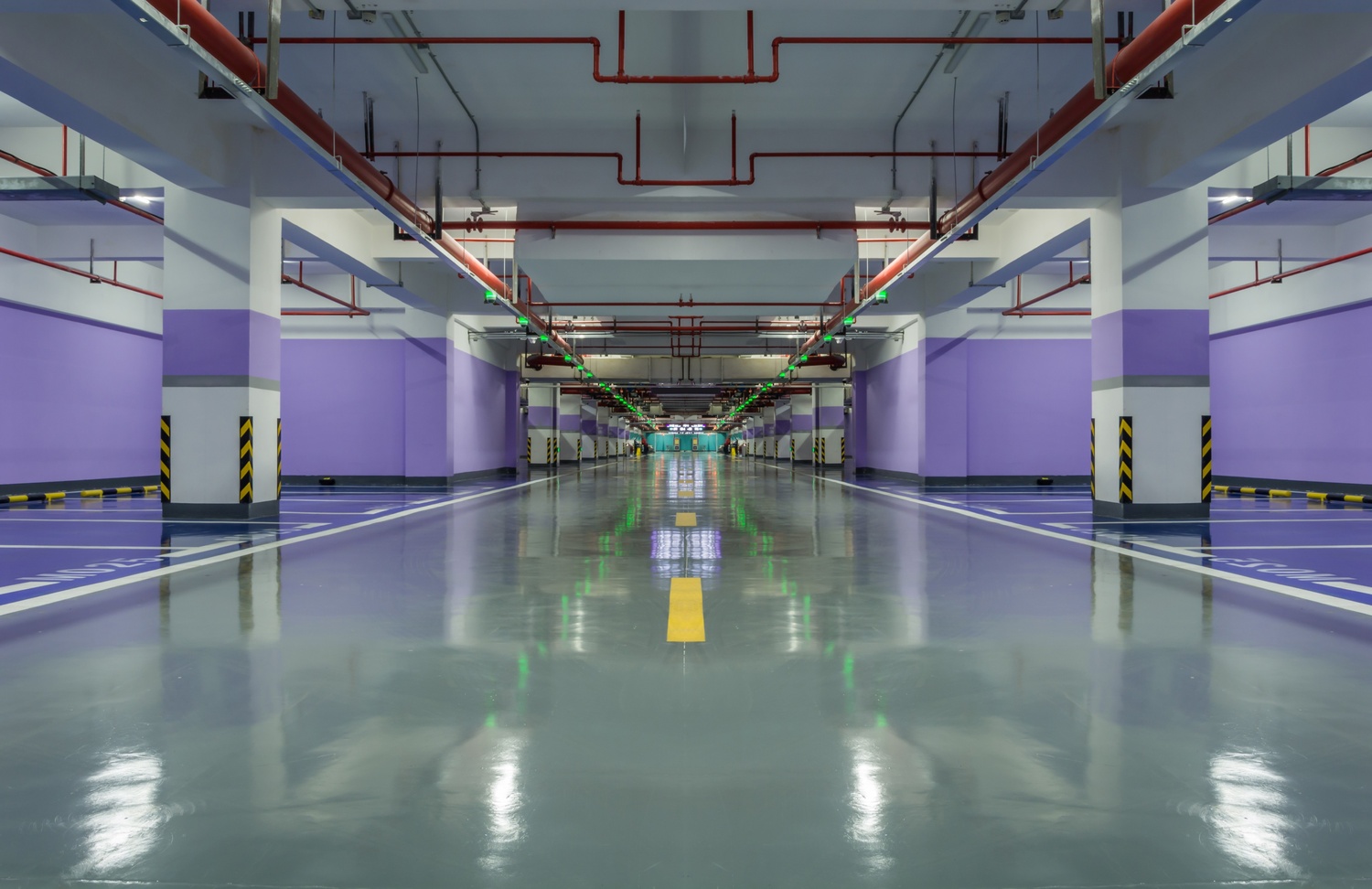
In busy places like warehouses, factories, retail units, and service areas, floor coatings act as a protective layer against constant foot traffic, heavy loads, spills, and everyday wear. They also help create a safer, more reliable surface, which matters when your floor needs to perform day after day. Besides, a good floor coating can make cleaning easier, support better hygiene, and help extend the life of the concrete underneath.
However, we have to accept that even the best system will not last forever. Hence, small signs of damage should never be overlooked, as they can develop into bigger problems over time. So how do you know when a quick repair will do, and when replacing the coating is the smarter move? Let’s find out.
7 Warning Signs It’s Time To Replace Your Floor Coating:
1. Peeling, flaking, or bubbling is starting to appear.
This is one of the clearest signs that the coating is losing adhesion to the substrate. At first, it may show up as small lifted edges, blistered patches, or flakes in corners and high-traffic lanes. Over time, those weak spots can spread, expose the concrete below, and make the floor harder to clean and maintain. Once adhesion failure becomes visible across multiple areas, patch repairs often become short-term fixes rather than a lasting solution.
2. The floor has cracks, chips, gouges, or worn-through areas.
Commercial floors take constant abuse from foot traffic, wheeled equipment, pallet movement, impact, and daily operations. If the coating has worn so thin that the concrete is visible, or if cracks and chipped zones keep reappearing, the protective layer is no longer doing its job. This is usually a sign that the floor needs more than surface touch-ups, especially in warehouses, service corridors, loading zones, and production spaces. Where quick turnaround is important, Berger Apcofloor 1000 is a practical choice, due to its fast-curing epoxy formulation and strong compressive, flexural, and impact strength.
3. Chemical spills are leaving stains, soft spots, or surface damage.
If oils, cleaning agents, or mild chemicals are starting to leave permanent marks or dull etched patches, the coating may have lost its resistance. This matters even more in industrial and commercial settings where spills are part of normal operations. Once the surface begins to absorb contaminants or break down after exposure, the risk is no longer just cosmetic. It can affect hygiene, maintenance time, and long-term substrate protection. In such environments, Berger Apcofloor 3000 makes a practical replacement option, offering a durable, high-strength floor finish that stands up well to abrasion and chemical exposure.
4. The surface has become slippery or no longer feels safe underfoot
A coating that has lost its texture or grip can quickly become a safety problem, especially in wet areas, entrances, work zones, and spaces with frequent washdowns. Even if the floor still looks acceptable from a distance, poor traction is a serious functional failure. If slip resistance is no longer consistent, replacement may be the safer call.
5. Cleaning takes more effort, but the floor still looks dirty.
One of the biggest practical benefits of a good coating system is that it creates a surface that is easier to clean and maintain. If your team is spending more time scrubbing the floor, yet stains, grime, or embedded dirt keep showing up, the coating may have become too worn, porous, or uneven to perform properly. This is especially important in facilities where hygiene and appearance both matter. In situations where a dust-free, more hygienic finish is needed. Berger Apcofloor 5000 SL is a self-leveling epoxy that helps create a hygienic, dust-free environment while offering reliable protection against chemical exposure.
6. You are seeing uneven patches, rough repairs, or areas where water starts to pool.
Not every failing floor coating looks dramatic. Sometimes the problem shows up as patchy texture, inconsistent levels, rough joins from old repairs, or low spots where water and dirt collect. These issues can affect both appearance and usability, and they usually suggest that the floor needs a more comprehensive reset rather than another round of patching. A self-levelling system can be more appropriate here than a simple overcoat, which is why Berger Apcofloor 5000 SL is a perfect solution.
7. The coating no longer matches how the space is used today.
Sometimes the floor has not completely failed, but it is no longer suited to the demands of the site. A coating chosen years ago for light traffic may now be dealing with forklifts, heavier loads, frequent chemical exposure, more aggressive cleaning, or stricter hygiene expectations. In that case, replacement is not just about fixing damage. It is about upgrading to a system that better matches current operating conditions. Berger Paints offers floor coating solutions for different site needs, from heavy-duty protection to fast-curing and fast-drying applications.
Conclusion:
Ignoring early signs of floor coating failure can lead to bigger safety risks, higher maintenance costs, and avoidable damage to the concrete underneath. Replacing the coating at the right time helps keep your commercial space safer, cleaner, and better prepared for daily operations. With the right system, you can also improve durability, reduce downtime, and extend the life of your flooring. If your current floor coating is showing signs of wear, contact Berger Paints Singapore for expert advice and a solution tailored to your site conditions. Contact us today.