
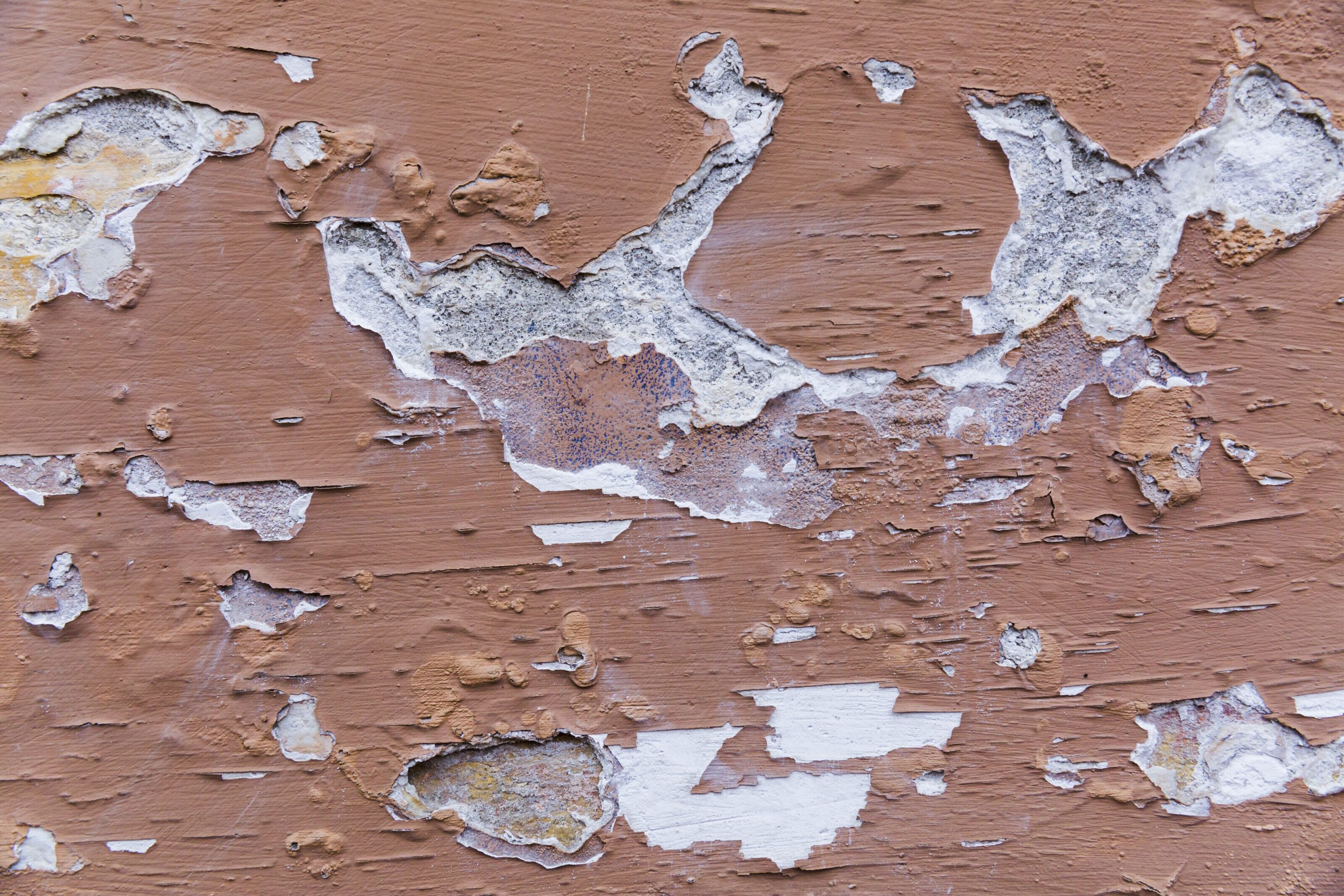
A fresh coat of paint can make your home look brand new, but when peeling, fading, chalking, or stains show up sooner than expected, it’s easy to blame the paint right away. In reality, the problem often goes deeper than that, because Singapore’s heat, humidity, and frequent rain can be especially tough on exterior walls. That’s why exterior paints in Singapore need to do more than just look good at first. The way the surface is prepared, the products used underneath, and the quality of application all play a big part in how long the finish lasts.
However, early paint failure is often preventable with the right paint system and regular upkeep. High-quality, durable wall paints perform best when paired with proper application, helping your exterior walls stay protected and maintain their appearance over time.
From Humidity to Harsh Sun: Key Reasons Exterior Paint Fails And What Helps Prevent It
1. Constant humidity keeps walls damp for longer.
Singapore’s high humidity means exterior walls often do not dry out fully, especially in shaded areas or after rain. When moisture stays trapped in the wall, paint can lose adhesion over time, which leads to peeling, bubbling, and flaking. Damp surfaces also make it easier for algae, mildew, and stains to develop, making even newly painted walls look old quickly.
How to prevent it:
- Always make sure the wall is fully dry before painting.
- Use a suitable sealer and paint system designed for tropical climates.
- Pay extra attention to moisture-prone zones such as boundary walls, exterior corners, and shaded facades.
- To help exterior walls cope with constant humidity, start with choosing Berger Water Based Sealer for a strong sealed base, then finish with Berger Weathercoat Silicone to reduce moisture absorption and keep the façade looking cleaner for longer.
2. Frequent rain exposes walls to repeated wet-dry stress.
Exterior surfaces in Singapore are regularly hit by heavy rain, and that repeated cycle of getting soaked and drying out puts pressure on the paint film. If there are hairline cracks or weak points in the wall, water can seep underneath the coating and cause blistering or peeling. This is one of the main reasons exterior paints in Singapore often fail sooner than expected when the substrate is not properly protected.
How to prevent it:
- Repair cracks before painting, even small ones.
- Waterproof vulnerable exterior walls where needed.
- Check for drainage issues, leaking pipes, or areas where rainwater tends to collect or run down repeatedly.
3. Intense sunlight and UV exposure break down paint faster.
Singapore’s strong sun can cause exterior paint to fade, lose colour depth, and become chalky over time. UV rays slowly weaken the binders in paint, especially on walls that face direct afternoon sun.
How to prevent it:
- Choose exterior coatings with strong UV resistance and long-term colour retention.
- Repaint before the coating completely breaks down, rather than waiting until major damage appears.
- For sun-exposed façades, Berger Weathercoat 345 is a strong fit thanks to its resistance to fading, while Berger Luxathane 5075 can be
- considered for concrete surfaces where higher durability and UV resistance are required.
4. Poor surface preparation causes early paint failure.
Even the best paint will not perform well if it is applied over dust, chalky residue, grease, loose paint, or a damp surface. A wall may look ready to paint, but hidden issues such as old unstable coatings or surface contamination can weaken the finish from day one. This often causes uneven appearance, poor adhesion, and premature peeling.
How to prevent it:
- Clean the surface thoroughly before painting.
- Scrape off loose paint, remove dirt and chalky residue, and patch damaged sections.
- Apply the right primer or sealer to create a stable base for the topcoat.
- After cleaning and repairing the surface, use Berger Water Based Sealer for water-based topcoats, or choose Berger Decoseal or Berger Plastaseal on masonry surfaces where a sound, alkali-resistant base is needed.
5. Mould and algae growth are common on exterior walls.
Warm temperatures and moisture create the ideal environment for mould, mildew, and algae, especially on walls that get less sunlight. Over time, they can weaken the paint surface and lead to stubborn staining. Dark green or black patches are a common issue on exterior walls in humid conditions.
How to prevent it:
- Wash and treat affected surfaces before repainting.
- Use coatings with mould-resistant properties where appropriate.
- In severe cases, professional anti-mould paint services can help deal with recurring biological growth more effectively.
6. Not every surface should be treated with the same type of paint.
Exterior walls, metal gates, railings, trims, and wood elements all face weather exposure differently. Using the wrong coating for the wrong surface can shorten lifespan and reduce protection. For example, surfaces that need tougher chemical or abrasion resistance may benefit from specialised systems such as polyurethane paint, while metal fixtures may require protective coatings like aluminium paint.
How to prevent it:
- Match the paint type to the substrate, not just the colour scheme.
- Ask whether the surface is masonry, wood, steel, or previously painted metal before choosing a product.
- For exterior masonry walls, choose a weather-resistant coating such as Berger Weathercoat 345 or Berger Weathercoat Silicone.
- For metal gates, railings, and similar fixtures, start with the right primer, such as Berger Galvaprime Etch Primer, to improve adhesion and coating performance.
- Where a silver metallic protective finish is required, Berger Aluminium 37 may be used on suitable surfaces.
Many people focus only on the topcoat colour and finish, but exterior performance depends on the full system underneath. This is why exterior paints in Singapore should be chosen as part of a complete protection plan, not just a decorative upgrade. Think of exterior painting as a full system, starting with surface repair, cleaning, priming, and waterproofing where needed before applying the topcoat. Following the recommended number of coats, proper drying times, and regular maintenance checks can help catch small issues early and prevent bigger repainting problems later.
Conclusion:
In Singapore’s harsh climate, exterior paint needs the right preparation, the right protection system, and the right products to stand up to humidity, rain, UV exposure, and surface damage over time. With Berger Paints Singapore’s trusted range of sealers, weather-resistant coatings, and specialist solutions, you can give your exterior walls longer-lasting protection and a cleaner finish that holds up over time. Explore our range of exterior paint solutions today.